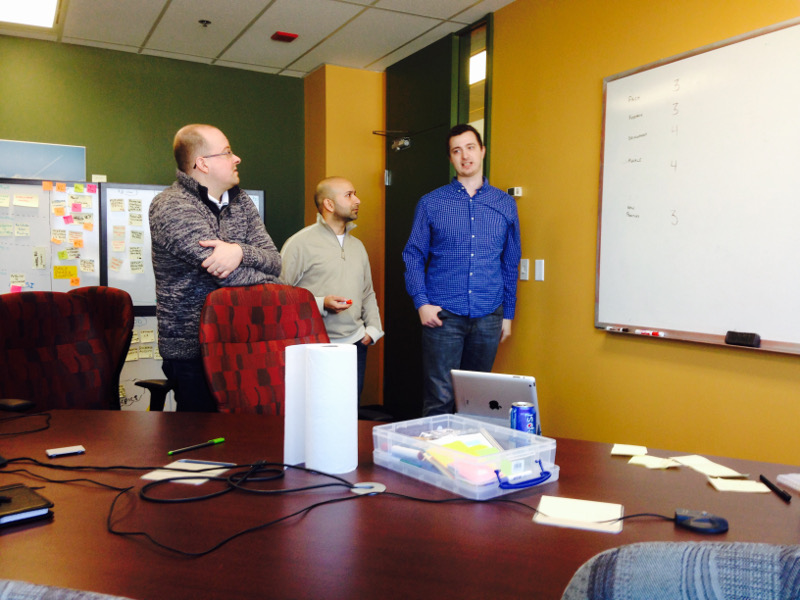
When I prepared to leave a team, I tried a “peri-mortem”: a meeting to identify the work and knowledge that might leave with me, while I was still there to help plan the transition.
What is a Peri-Mortem?
In a peri-mortem, the team imagines an undesired future and works backwards to identify what could cause it. Unlike a post-mortem, it happens before the problem. Here, the scenario is a team operating after someone leaves.
Key Benefits:
- Surfaces hidden knowledge and responsibilities
- Reduces team anxiety through proactive planning
- Creates actionable transition roadmaps
- Minimizes business disruption
- Strengthens team resilience
Planning the Peri-Mortem Meeting
Essential Agenda Items
Structure your peri-mortem around these four critical questions:
- Role Inventory: What does the departing person actually do on the team?
- Impact Assessment: Which skills or roles are most critical to maintain?
- Replacement Profile: What would the ideal replacement look like?
- Stress Mitigation: What other challenges will the departure create, and how can we address them?
Meeting Guidelines
- Duration: 2-3 hours for thorough discussion
- Facilitator: Ideally someone other than the departing person
- Participants: Core team members plus key stakeholders
- Documentation: Assign someone to capture insights and action items
The Peri-Mortem Process
Step 1: Role Discovery Exercise
Begin with a collaborative brainstorming session where team members identify all the responsibilities, both visible and invisible, that the departing person handles.
Facilitation Tips:
- Have the departing person remain silent during initial brainstorming
- Use sticky notes or digital collaboration tools
- Group similar items together
- Don’t edit or judge suggestions initially
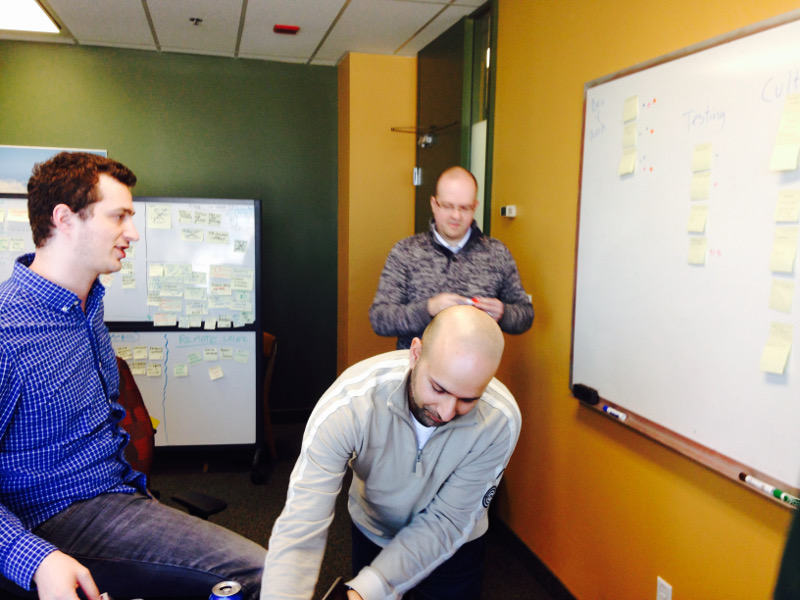
Common Hidden Roles That Emerge:
- Informal mentoring and knowledge sharing
- Cross-team relationship management
- Process improvements and innovation
- Cultural maintenance and team morale
- Specialized technical knowledge or domain expertise
Step 2: Prioritize Critical Functions
Not every responsibility needs immediate replacement. Work together to identify which functions are:
- Mission-critical: Must be covered immediately
- Important: Should be addressed within 30-60 days
- Nice-to-have: Can be redistributed or eliminated
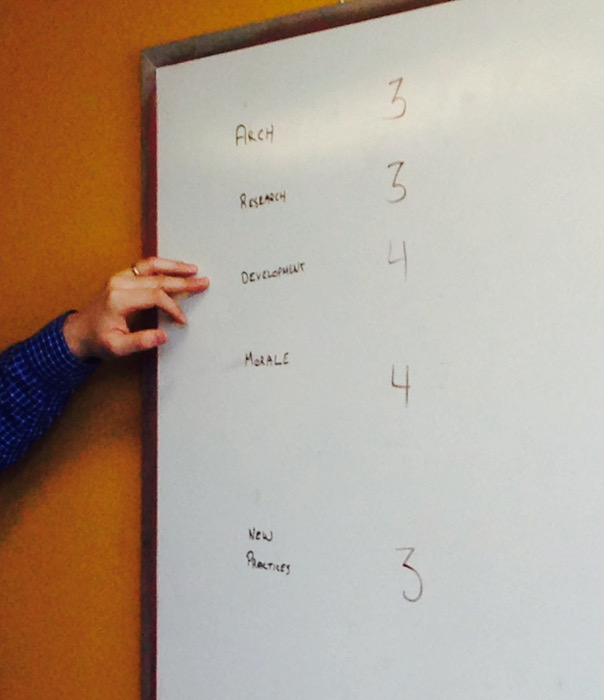
Step 3: Define the Ideal Replacement
Create a comprehensive profile of what you’re looking for, including:
Technical Skills:
- Required technical competencies
- Preferred certifications or experience levels
- Tool-specific knowledge
Soft Skills:
- Communication style that fits the team
- Learning orientation and adaptability
- Cultural fit indicators
Growth Potential:
- Areas where the role could evolve
- Opportunities for the person to expand the position
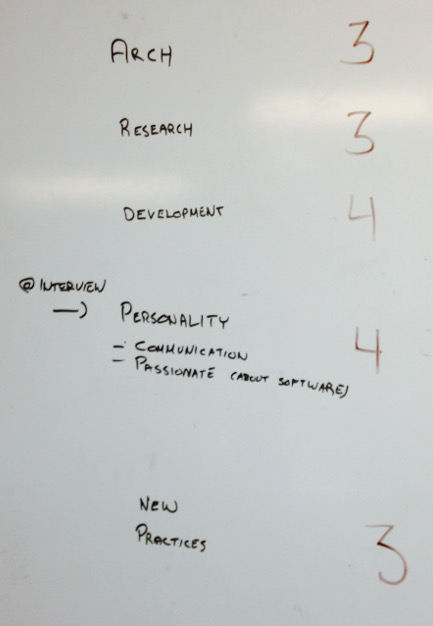
Step 4: Address Broader Stressors
Departures create ripple effects beyond just the immediate role gap. Discuss:
- Team morale concerns
- Workload redistribution challenges
- Client or stakeholder relationship impacts
- Timeline and deadline implications
- Budget considerations for hiring and training
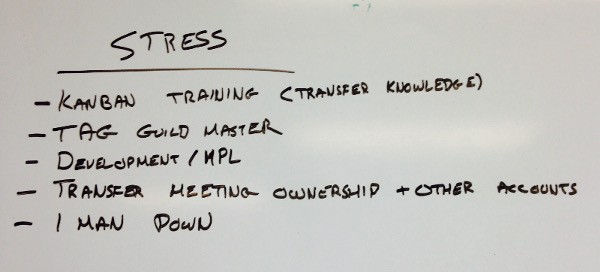
Understanding Change Dynamics
The Satir Change Model in Team Transitions
Virginia Satir’s Change Model helps frame what teams experience during transitions:
- Late Status Quo: Current state with the departing person
- Resistance: Initial reaction to announced departure
- Chaos: Period of adjustment and uncertainty
- Integration: Team adapts and finds new rhythms
- New Status Quo: Stabilized state with new structure

Understanding this model helps teams:
- Normalize the discomfort of transition periods
- Plan support during the chaos phase
- Set realistic expectations for stabilization
Creating Your Action Plan
Immediate Actions (First 30 Days)
- Knowledge transfer sessions with documented outcomes
- Shadow rotations for critical responsibilities
- Stakeholder notifications with transition timelines
- Process documentation for key workflows
Medium-term Actions (30-90 Days)
- Recruitment strategy with defined timeline
- Interim coverage plans for critical functions
- Team restructuring if needed
- Tool or system access transitions
Long-term Considerations (90+ Days)
- New hire onboarding and integration planning
- Process improvements based on transition learnings
- Team development to build resilience
- Knowledge management system enhancements
Measuring Success
Key Indicators of Effective Peri-Mortem Planning
- Reduced time-to-productivity for replacement hires
- Minimal service disruption during transition periods
- Maintained team morale throughout the change
- Improved knowledge documentation as a lasting benefit
- Enhanced team adaptability for future changes
Final Reflections and Recommendations
The peri-mortem approach transformed what could have been a stressful departure into a collaborative planning exercise that ultimately strengthened the team.
Key Takeaways
- Surface the invisible: Teams often underestimate the full scope of someone’s contributions
- Plan proactively: Addressing concerns before they become problems reduces stress for everyone
- Create dialogue: Open discussions about change help teams process emotions constructively
- Build documentation: Use the departure as an opportunity to improve knowledge sharing
- Strengthen the team: Focus on how the transition can make the team more resilient
Recommended Frequency
Consider peri-mortem practices for:
- Planned departures (resignations, retirements, transfers)
- Extended leaves (parental leave, sabbaticals, medical leave)
- Role changes within the organization
- Project transitions where key contributors are moving on
The Leadership Opportunity
For managers and team leaders, facilitating peri-mortems demonstrates:
- Emotional intelligence in handling transitions
- Strategic thinking about team resilience
- Commitment to team development beyond immediate needs
- Investment in knowledge management and organizational learning
A peri-mortem gives the team time to make the invisible work visible and plan the handoff together.